How Massari Travel Built Travel Into an Art Form
Okay, so here's the thing about holidays in Italy — there are basically two kinds.
One is the tourist's holiday. You hit the major landmarks, do what everyone else is doing, join the travel horde, move through the itinerary, snap the photos, and leave. It's not a bad thing — it's just what most people do. But deep down, you always wonder if there's something more.
The other is the traveler's holiday. You explore. You figure out what a destination actually offers versus something watered down. You discover what's worth knowing and why. This is the one I'm always chasing.
I found this out on a recent trip arranged by Massari Travel, and honestly, it completely changed how I think about travel.
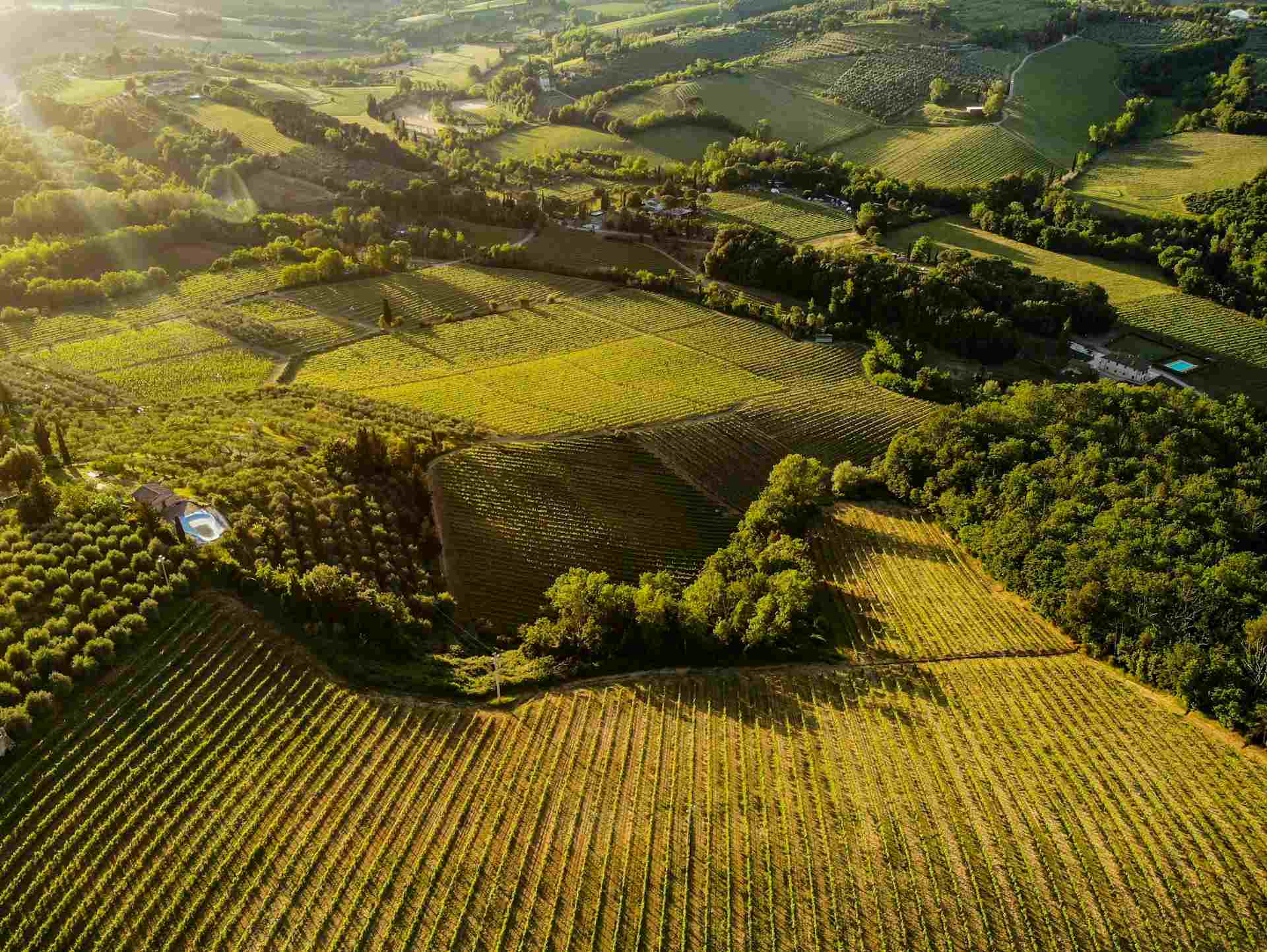
The road turned to gravel beneath us. The olive trees thickened on either side, their silvery leaves catching the afternoon light in ways that made the whole landscape feel almost intentional — like someone had designed it. But nobody had. That's just what happens when you leave the main roads behind and go somewhere real.
The vineyard appeared out of nowhere — thousands of vines rolling across the Orcia Valley floor and climbing the opposite slope until they disappeared into the haze at the base of Monte Amiata. A pale, weathered stone house sat above it all. No signs. No tour bus parking. No visible business at all. Just quiet beauty.
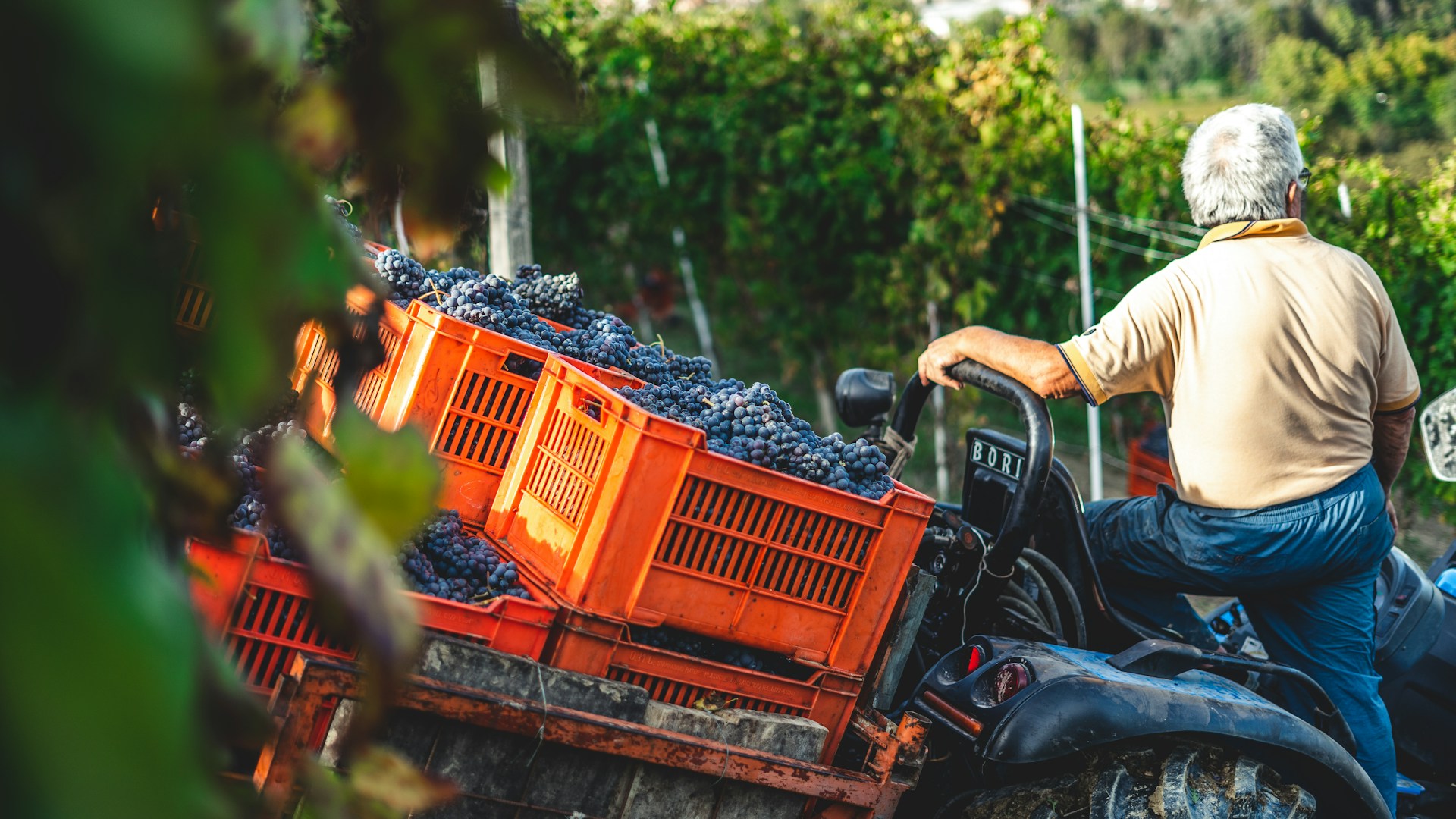
The man was waiting outside the cellar, sleeves rolled past his elbows, just watching the valley. He turned when we pulled up. No fuss, no ceremony. Just a firm handshake and a direction: "Come inside." I immediately felt like I was being let in on something special.
The temperature dropped the second we crossed the threshold. The air was cool and smelled of damp stone and something sweetly fermented that lingered at the back of my throat. The cellar stretched way deeper than the building seemed to allow — rows of enormous oak botti receding into shadow like the ribcage of some ancient creature. I couldn't help but whisper, "Wow."
He didn't wait for questions. He just pulled a glass thief from the wall, inserted it into one of the barrels at eye level, and drew out young Brunello — still darkly red and still moving with the viscosity of something alive. He poured it into my glass without a word and leaned against the cask. I'll never forget that moment.
"My father taught me when the grapes were ready," he said. "Not from machines. From walking."
"As a boy I followed him during harvest. Watched him crush grapes between his fingers, taste them, study the seeds. Ripeness wasn't a number. It was texture. Acidity. Patience." He gestured at the barrel. "Wine is the same. You cannot rush it. You have to know when it's speaking properly." I could've listened to him all day.
This is where most travel companies would start packaging the story and selling it back to you. Massari doesn't work that way — and that's exactly why they're different.
They don't build trips around itineraries or checkboxes. They don't even really build them around destinations. What they've spent nearly sixty years perfecting is something way harder to manufacture: genuine entry into the private life of the places they know. Not access for tourists. Access for people who actually want to understand something deeper. And honestly? That's the whole point.
The owner led me deeper into the cellar, past working inventory toward the rear wall where older vintages gathered dust against aged stone. He moved without any fuss, running his hand along the bottles until he found one. The label was faded. He pulled it down and opened it right there.
"My daughter's birth year," he said simply. My heart melted a little.
We tasted in silence. He talked about difficult harvests, about a summer years ago that nearly destroyed everything, about the decades before Brunello became fashionable enough for investors and wine magazines — when this estate was simply a place where his family worked. The kind of details that don't make guidebooks because they're not picturesque. They're just true. And that's what made them so beautiful.
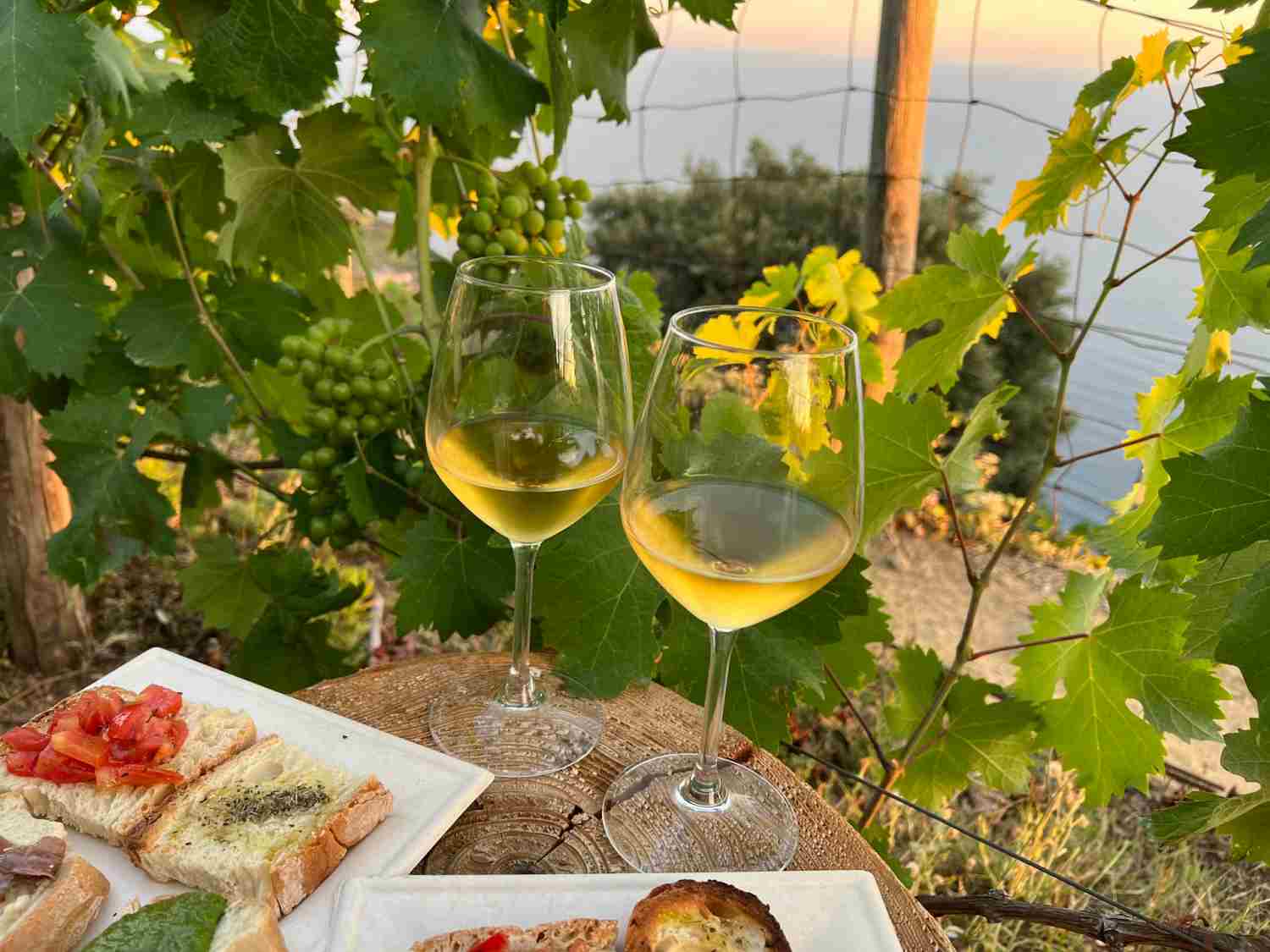
By the time we climbed back outside, the light had shifted into that magical golden hour. The gravel crunched underfoot as we walked through the Sangiovese rows. The hills had gone quiet in that particular way Tuscan hills do when afternoon tips toward evening — you know that feeling? And I finally understood why Massari had arranged for me to end the day here rather than begin it. Timing matters when you're not just performing access. It matters when you're actually inside something real.
Across Italy, this is how Massari operates. Medieval hill towns in Umbria. Family estates in Puglia where olive oil production hasn't changed in a century. Private palazzi in cities most travelers skip entirely. Wine regions so remote that the rhythm of daily life is still set by seasons and what the earth produces when it's good and ready.
What they've figured out — that bigger operators still haven't — is this: the most expensive, most desirable form of luxury isn't marble or infinity pools or Instagram-ready aperitivos with golden hour lighting. It's depth. It's time. It's the understanding that the best travel isn't performative. It's intimate. And that's what stays with you long after you've left.
Their family program, built around an adorable character called Lucio the Little Bear, works the same way. Kids move through Italy differently than adults do, which means adults have to slow their pace to match — and honestly, that's kind of the magic. Multigenerational travel usually falls flat because someone ends up compromised. Massari designs for everyone or they don't design at all.
The real thing Massari Travel has learned to offer isn't logistics — though the logistics are flawless. It's not even access — though the access is truly remarkable. It's the understanding that Italy's most valuable export is proximity to people who actually know it from the inside. The winemaker who inherited ripeness from his father. The artisan who hasn't changed his methods because there's never been a reason to. These are the connections that change you.
Getting you into that cellar isn't a perk. It's the entire point. And once you've been there, you'll never look at travel the same way again.