The Golden Triangle: Berlin, Hamburg & Dresden – Trifecta Cities to Tour in Germany
You guys, there's this feeling that hits you when you travel somewhere tied to your roots — it's not just tourism, it's something deeper. As someone of German descent, coming to Germany was like hearing a song I somehow…
You guys, there's this feeling that hits you when you travel somewhere tied to your roots — it's not just tourism, it's something deeper. As someone of German descent, coming to Germany was like hearing a song I somehow already knew the words to. Every cobblestone, every cathedral, every candlelit dinner whispered something familiar. Germany is wild like that — ancient yet totally avant-garde, stoic but also incredibly sensual, meticulously ordered and yet thrillingly alive. And nowhere did I feel that beautiful contradiction more than in the three cities that form Germany's ultimate cultural triangle: Berlin, Hamburg, and Dresden.
Honestly, these three cities couldn't be more different in vibe, but together they paint this gorgeous, complete picture of Germany that just hits different. Berlin — the capital and biggest city — is basically a living, breathing monument to resilience and radical creativity, with history oozing from every corner and a cultural scene that's off the charts. Hamburg, the second-largest, is this elegant port city up north, shaped by centuries of maritime heritage and some seriously jaw-dropping modern ambition. And then there's Dresden — the most Baroque city in all of Germany, nicknamed the "Florence on the Elbe" — with golden spires, operatic grandeur, and architecture so stunning it literally took my breath away. The best part? They're all connected by swift, comfy trains, so the journey between them is honestly just as lovely as arriving. Traveling this triangle is how you really *get* Germany in all its layered, luminous complexity.
BERLIN: CAPITAL & CULTURE – WHERE HISTORY BREATHES & THE FUTURE ROARS
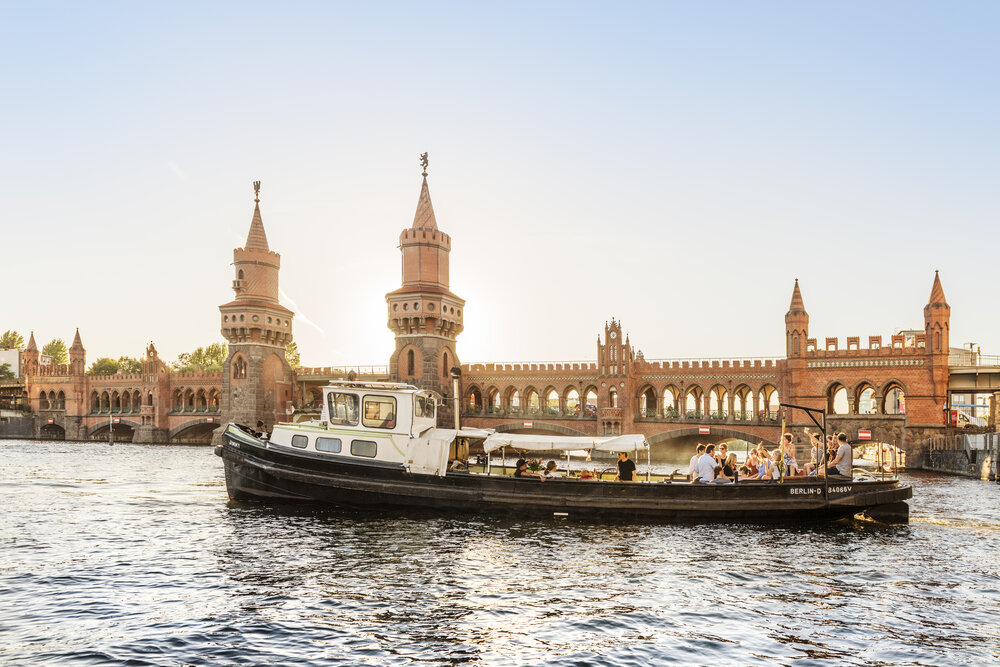
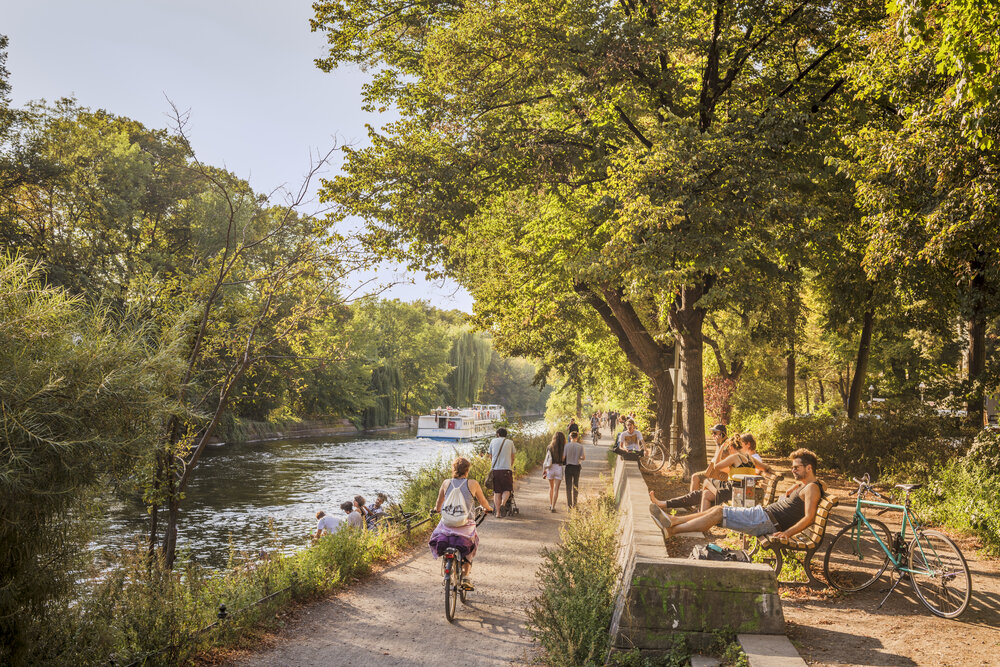
Berlin doesn't just welcome you — it kinda sweeps you off your feet. It's visceral, vast, and unapologetically itself. Home to 3.8 million people, it sprawls across this surprising, seductive geography where roughly a third of the city is green space — parks, forests, and that dreamy River Spree winding through it all. I'm telling you, on a golden afternoon, when the light dances across the water and cyclists glide through the Tiergarten, you honestly forget you're in one of the great capitals of the world. It just feels... magical.
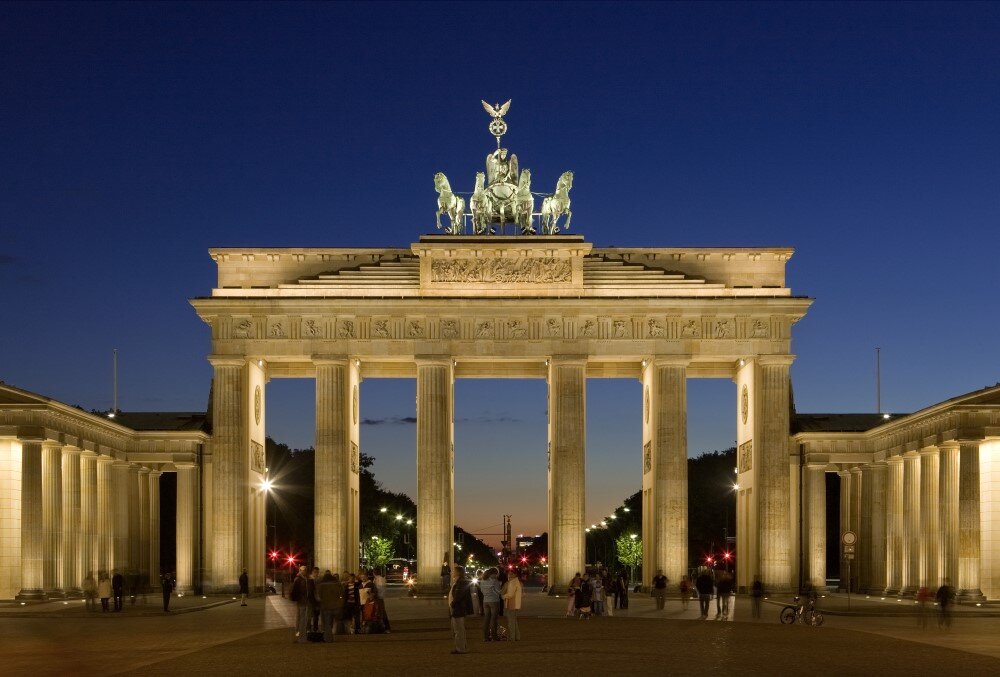
But history is always right there, close enough to touch. Berlin carries its past with this rare, raw honesty that I found so moving. The Berlin Wall Memorial isn't just leftover concrete — standing there, I couldn't help but feel the weight of division, the longing, and ultimately the triumph. And the Brandenburg Gate? That iconic Neoclassical portal that's THE symbol of reunification? Photos honestly don't do it justice. Seeing it in person is this overwhelming, goosebump-inducing moment I won't forget.
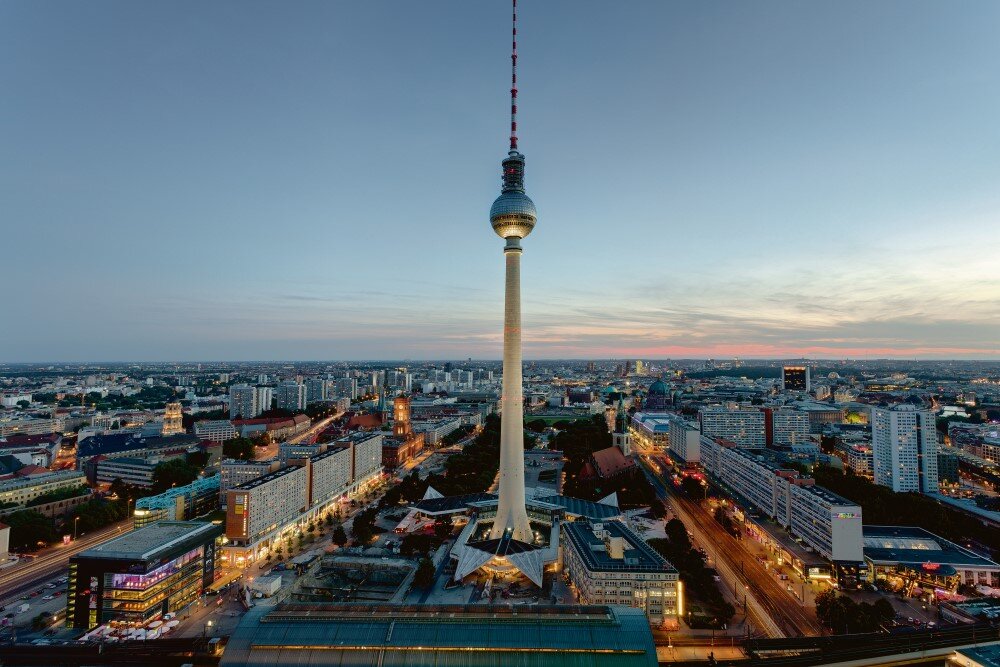
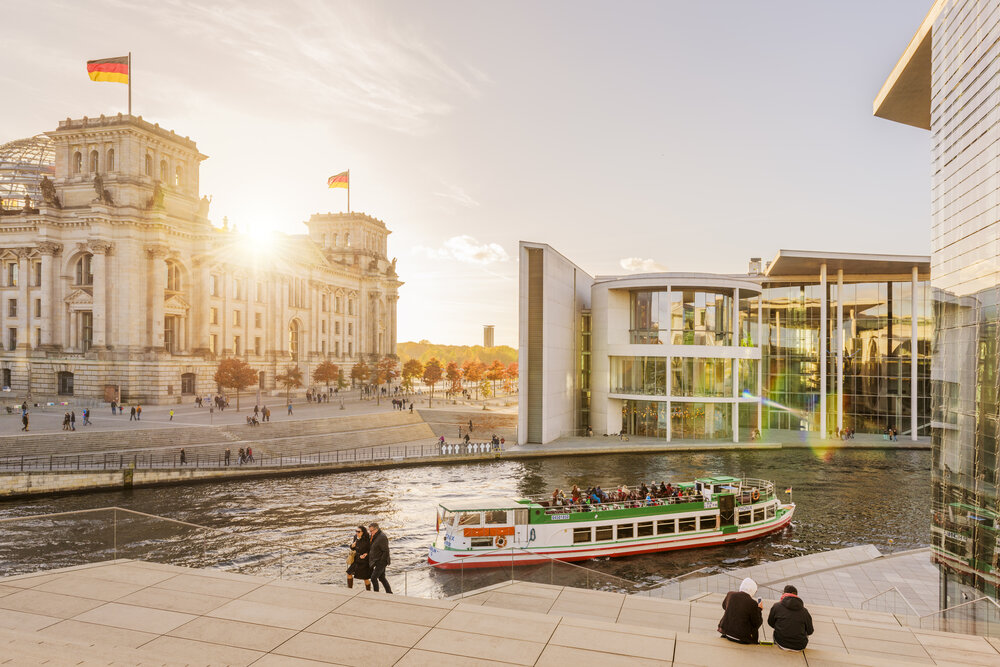
The Reichstag Building is next-level — home to the German Parliament with this breathtaking glass dome designed by Sir Norman Foster that you can actually walk up for the most insane panoramic views of the city's rooftops. And Museum Island? A UNESCO World Heritage Site sitting right in the Spree, housing five world-class museums including the Pergamon. It's almost too much richness to absorb in one visit. Then there's the Memorial to the Murdered Jews of Europe — 2,711 concrete stelae that shift and disorient you as you walk among them. Honestly, it's one of the most powerful, emotionally overwhelming spaces I've ever experienced.
Berlin's food scene is just as wonderfully all-over-the-place as the city itself. We're talking Michelin-starred New German cuisine on one corner and legendary Turkish döner kebab stands that have been running since before the Wall fell on the next. The city feeds everyone with this democratic, open-arms generosity that I absolutely loved. Art galleries in old power stations? Check. Cocktail bars in Cold War bunkers? Also check. And getting around is honestly a breeze — the U-Bahn, S-Bahn, trams, and buses weave together so seamlessly that the whole city feels effortlessly navigable.
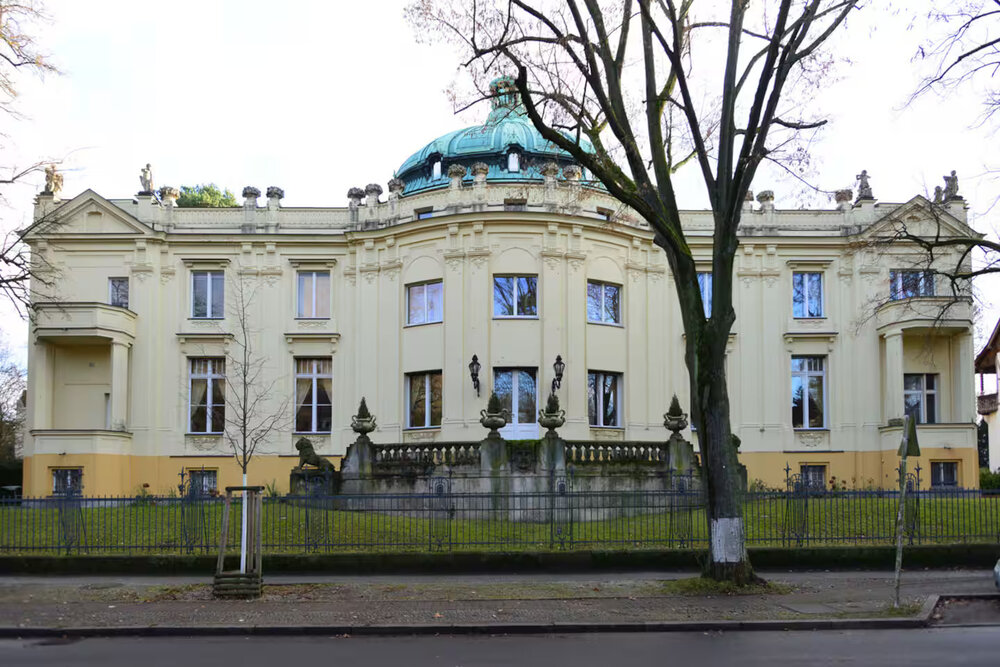
A Palace for the Privileged Few: The Löwenpalais
You guys, I got to live inside actual Berlin royalty. My Berlin home was the Löwenpalais — which gorgeously translates to "Lion's Palace" — a magnificent 19th-century palace in the heart of Grunewald, Berlin's most prestigious residential quarter. Think forest villas, lakeside lanes, and the city's most distinguished families. The palace is now the domain of my dear friend Jörg Starke, who transformed it into something totally one-of-a-kind: a living cultural institution with a celebrated Artists in Residence program that draws creatives from everywhere, plus one unique private apartment available exclusively to a handful of lucky guests.
Staying at the Löwenpalais is honestly like stepping into another era — high ceilings, original architectural details, and this quiet, genuine gravitas that wraps around you the second you walk in. But it's not some stuffy museum — the palace is alive with creative energy. Painters working in studios, conversations drifting through the corridors, vernissages unveiling new works. It pulses with art and friendship and life.
"To stay at the Löwenpalais is to inhabit history, and to feel, in the company of art and friendship, that the present is equally magnificent."
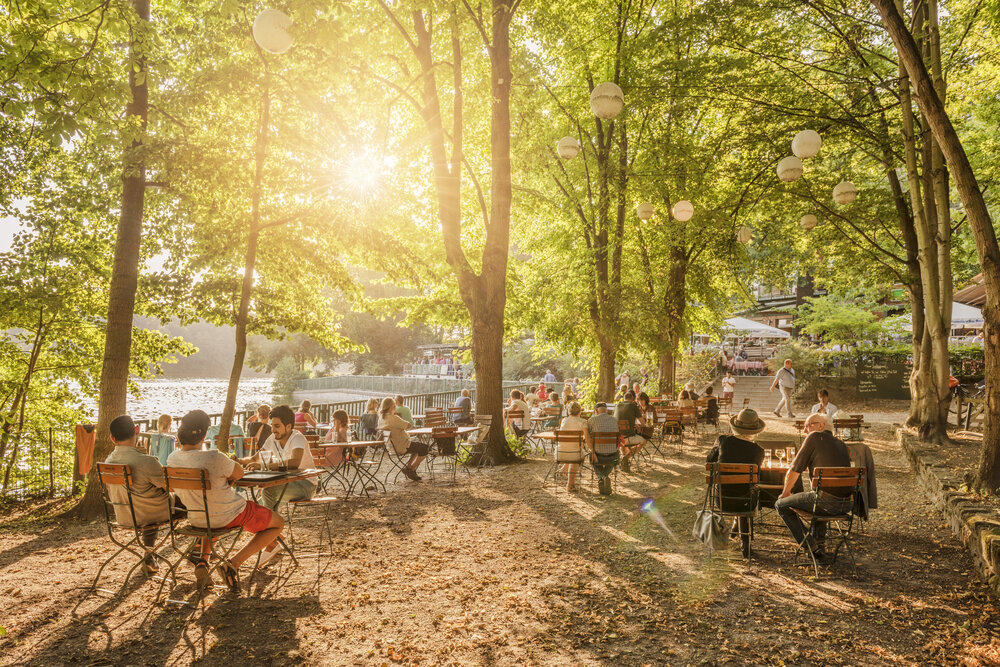
The Grunewald neighborhood around the palace is absolutely worth a slow morning of exploring. The Grunewald Forest is this vast, cathedral-like woodland with glacial lakes — perfect for a long walk, a jog, or just sitting lakeside with a grilled bratwurst from one of those cute local stalls (yes, I absolutely did that). And on the way to the forest, you have to stop at Wiener Conditorei — an old-world Viennese-style coffee house where a slow espresso and a slice of something dangerously good became my daily ritual.
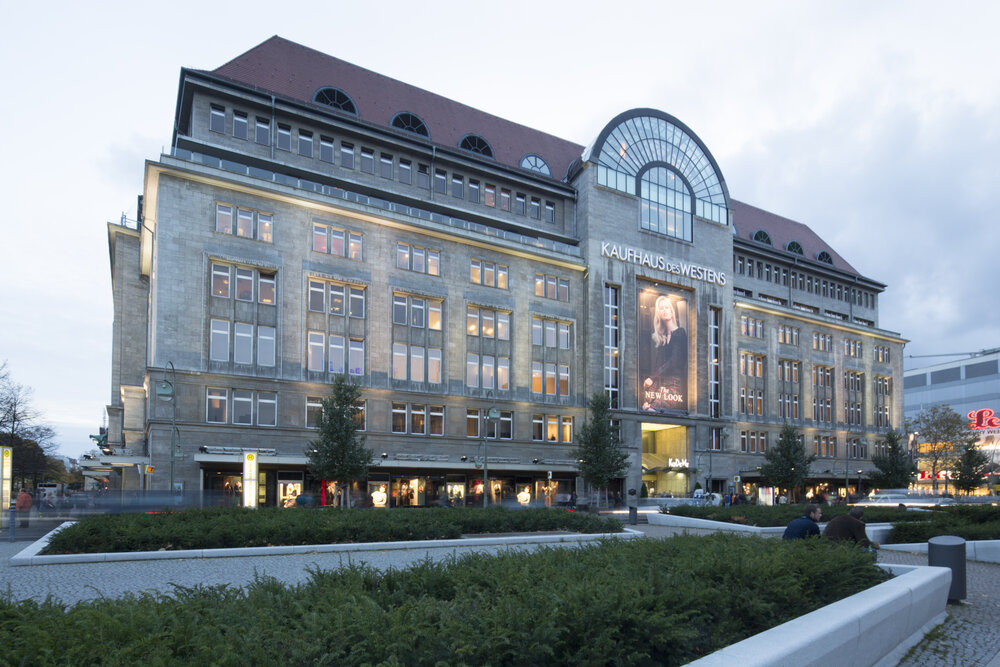
Back in urban Grunewald, the Kurfürstendamm — or just "Ku'damm" if you're cool — is Berlin's legendary luxury shopping boulevard, unfurling with flagships and fashion houses. Its crown jewel? The iconic KaDeWe department store, one of the largest and most magnificent in Europe, a building so lavishly stocked it could sustain a small civilization (not exaggerating). But here's my favorite discovery: the wine and spirits department hosts a complimentary "happy hour" tasting that is anything but ordinary. I found myself there with my Berliner friend Catherina, glasses of fine bubbly in hand, toasting the weekend ahead — honestly the most effervescent, perfect way to kick off your Berlin adventures.
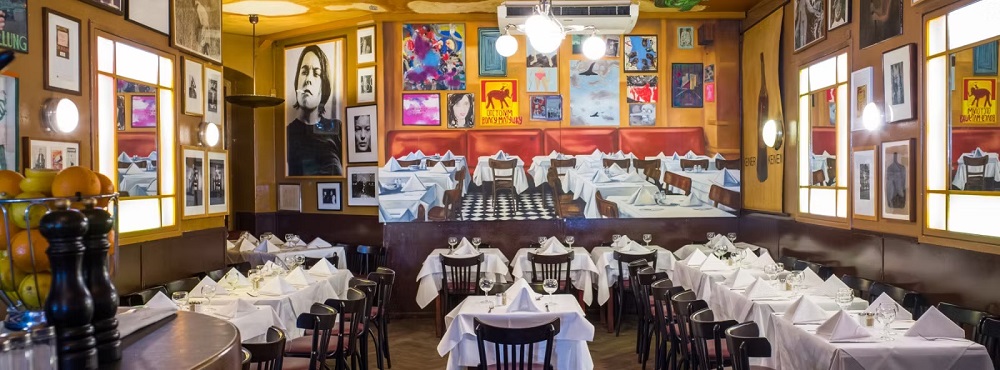
Jörg also introduced me to Aspria Berlin Ku'Damm — the city's most exclusive wellness club where Berlin's high achievers work body and mind in equal measure — and to the legendary Paris Bar, that wonderfully timeless Charlottenburg institution where artists, diplomats, and eccentrics have been hanging out for decades. We dined there celebrating Jörg's birthday, surrounded by the bar's famous art-covered walls, and I honestly can't imagine a more perfect spot for such a special occasion.
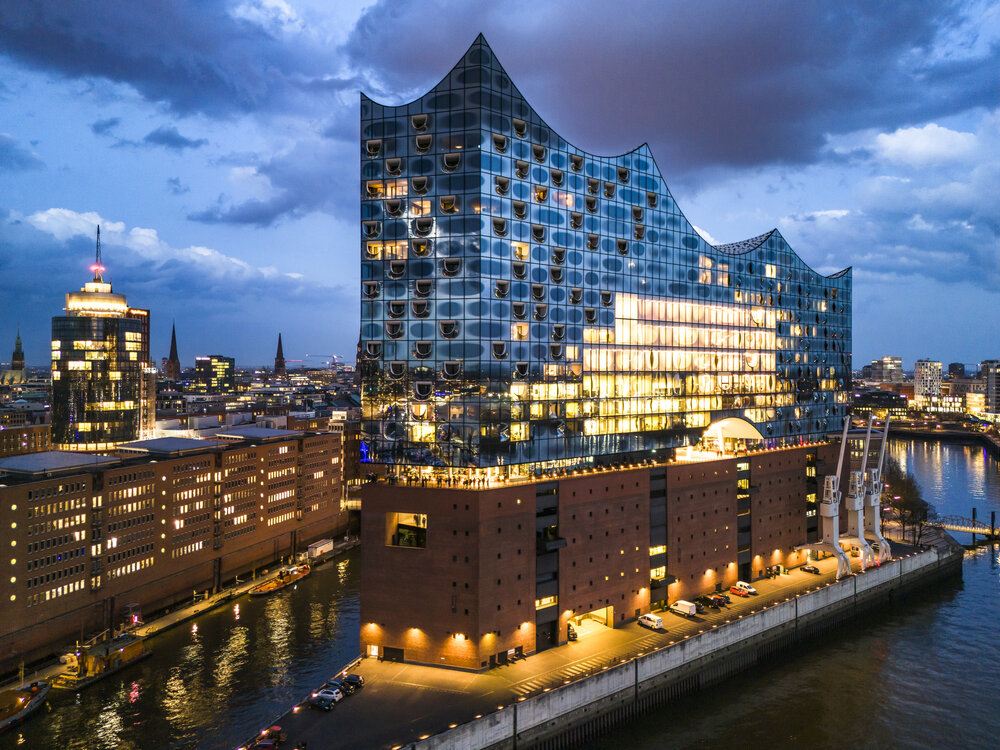
HAMBURG: MARITIME & MODERN – THE CITY THAT SAILS & SOARS
If Berlin is the rebel of the family, Hamburg is the sophisticated older sibling — assured, elegant, and quietly spectacular. Germany's second-largest city and greatest port, Hamburg sits at the mouth of the Elbe with this confident ease, like someone who's always known exactly who they are. For centuries it was one of the most important trading cities in the world, a member of the medieval Hanseatic League whose merchant princes built fortunes from commerce with every corner of the globe. That maritime DNA still runs deep — you feel it in the architecture, the atmosphere, and this particular brand of understated, cosmopolitan sophistication that I was totally obsessed with.
Hamburg's skyline is defined by church spires and, increasingly, by the soaring, wave-like form of the Elbphilharmonie — that concert hall that's become one of the architectural sensations of Europe since opening in 2017, designed by the renowned Swiss firm Herzog & de Meuron. Perched on the banks of the Elbe, its glass upper structure rises dramatically from a red-brick warehouse base, and it's both a world-class acoustic venue AND a public landmark open to everyone. The panoramic Plaza at the top offers one of the finest views in northern Germany — harbor, river, rooftops spreading in every direction — and admission is free! You don't just visit the Elbphilharmonie; you fall under its spell.
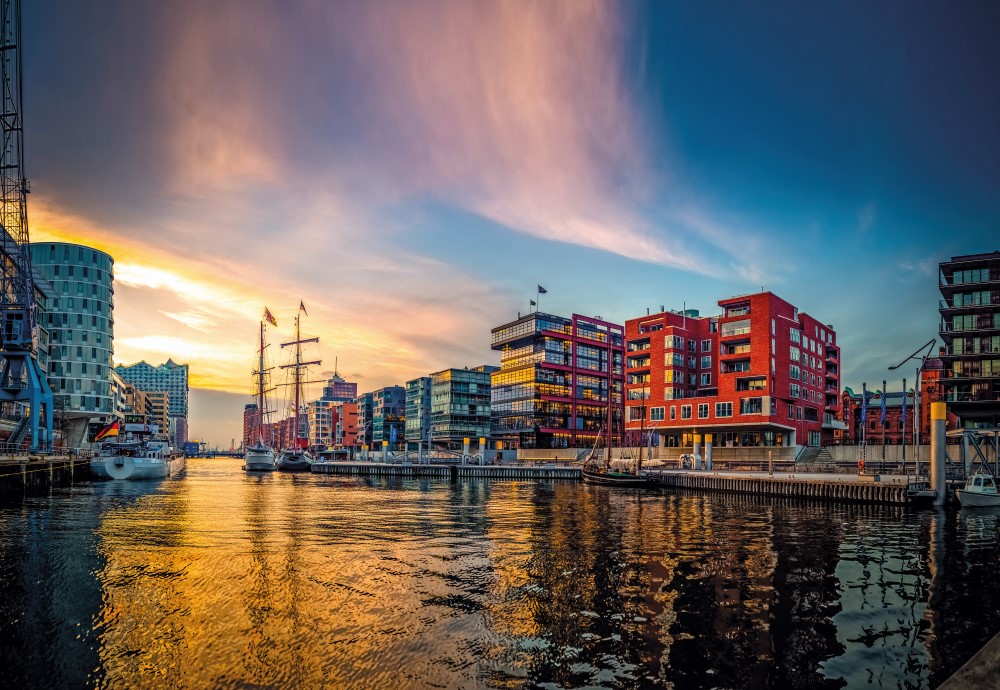
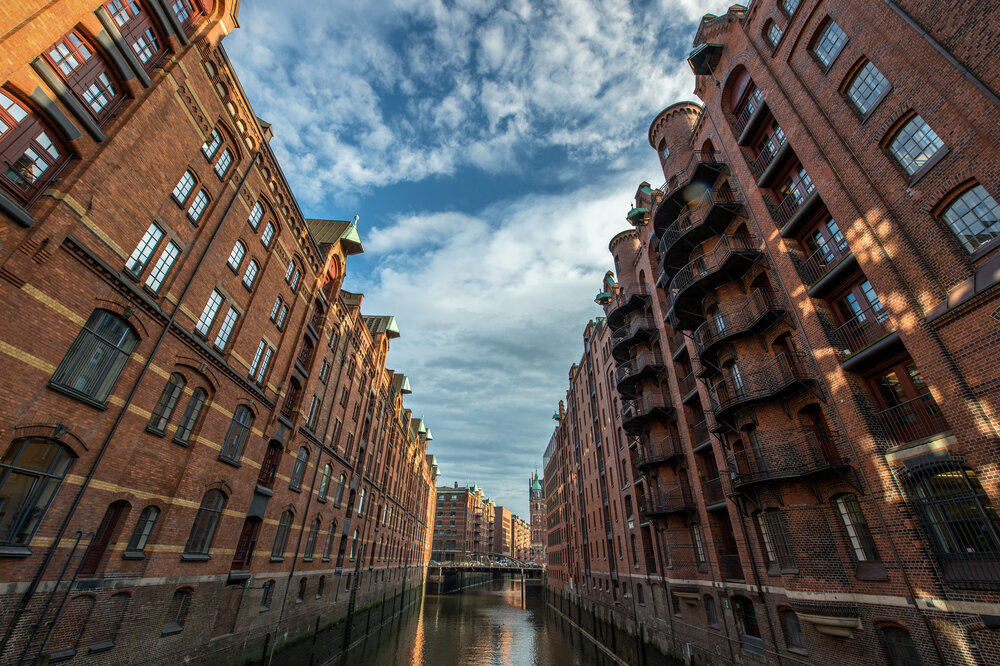
HafenCity, the ambitious urban development district around it, is Hamburg at its most forward-thinking — a former industrial port reborn as this gorgeous waterfront neighborhood of striking contemporary architecture, galleries, design hotels, and restaurants. Right alongside it, the historic Speicherstadt — the world's largest warehouse district and a UNESCO World Heritage Site — offers labyrinthine canals and red-brick grandeur that are honestly made for a dreamy afternoon of wandering. And Hamburg's shopping streets? The elegant Neuer Wall with its luxury boutiques and the bustling Mönckebergstraße gave me every reason to upgrade my wardrobe (and I regret nothing).
An Evening of Reunion: Pellicano at the Casino, Stephansplatz
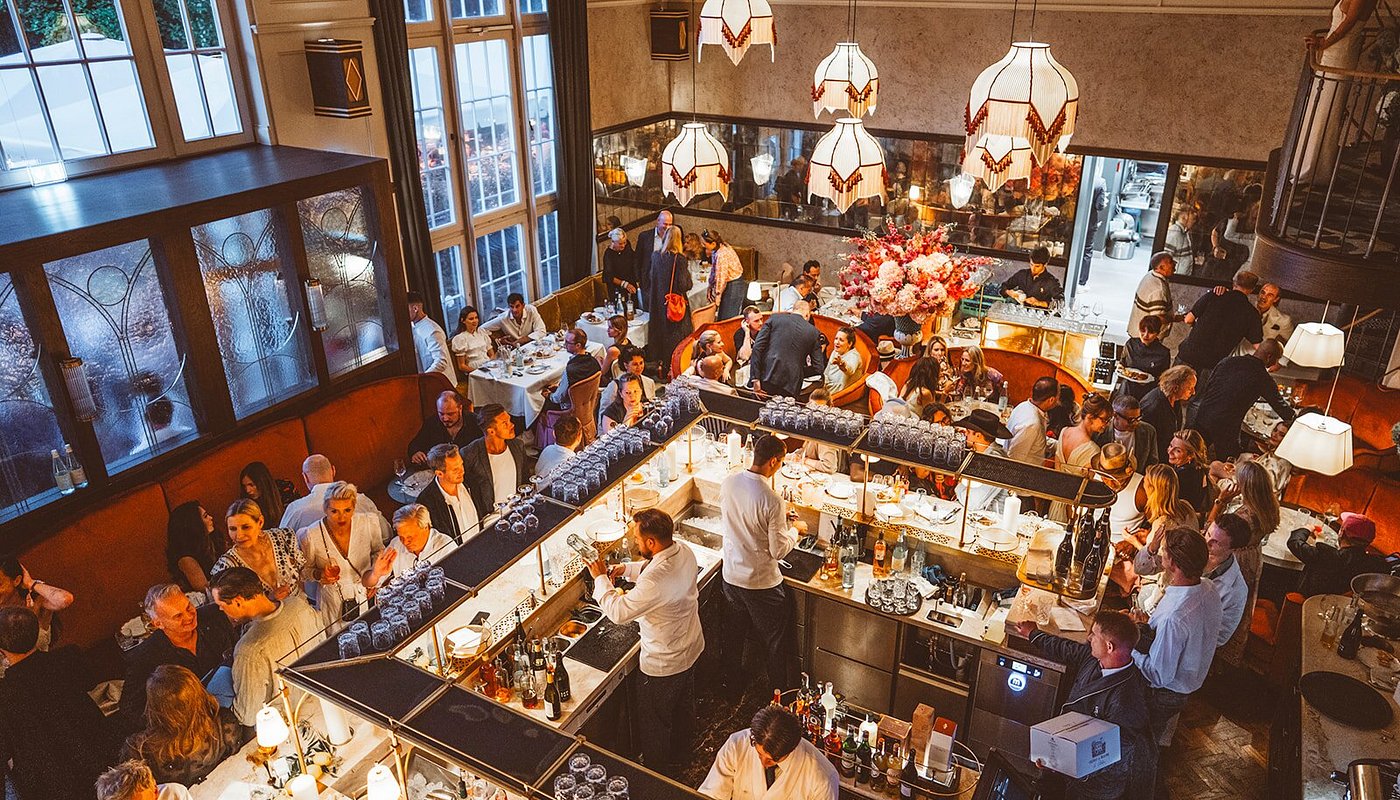
One evening in Hamburg went beyond just "nice dinner" and became something I'll genuinely hold onto forever. At the Casino at Stephansplatz, inside this magnificent space that houses the Pellicano Restaurant, I sat down to dinner with my dear German friend Renate for a reunion that the setting made feel almost fated. Pellicano is one of those rare restaurants that just *gets it* — it understands that dining isn't just about nourishing the body, it's about celebrating life and connection.
"Where old friends meet young lovers and mingle in joyful groups, in an atmosphere perfectly suited to the grand building — a truly fantastic choreography of joie de vivre."
The food was absolutely superb, the room was magnificent, and the evening — like all truly great evenings — seemed to expand and slow down, as if time itself decided to be generous with us. I left Pellicano reminded, as Hamburg so reliably does, that the good life is most vividly lived in the company of the people we love and care about.
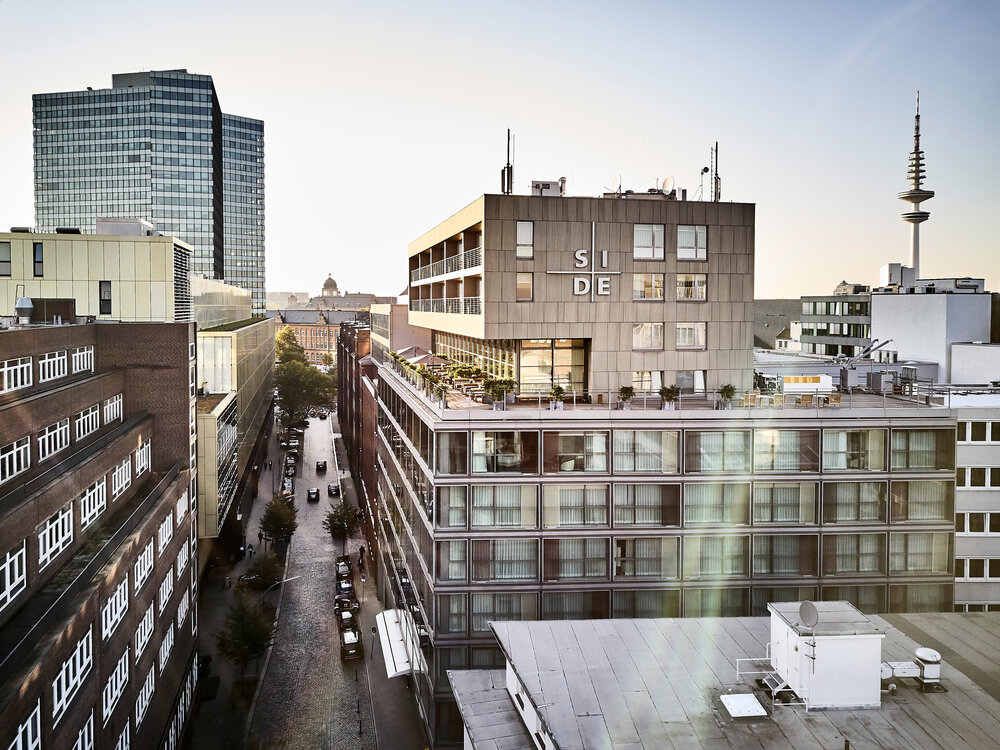
Side Hotel: Design at the Heart of the City
My Hamburg home base was the Side Hotel, and honestly, I couldn't have chosen better. This design-forward five-star property in a beautifully conceived building is just steps from the city center — the Binnenalster lake, the shopping streets, the Rathaus, all basically on your doorstep.
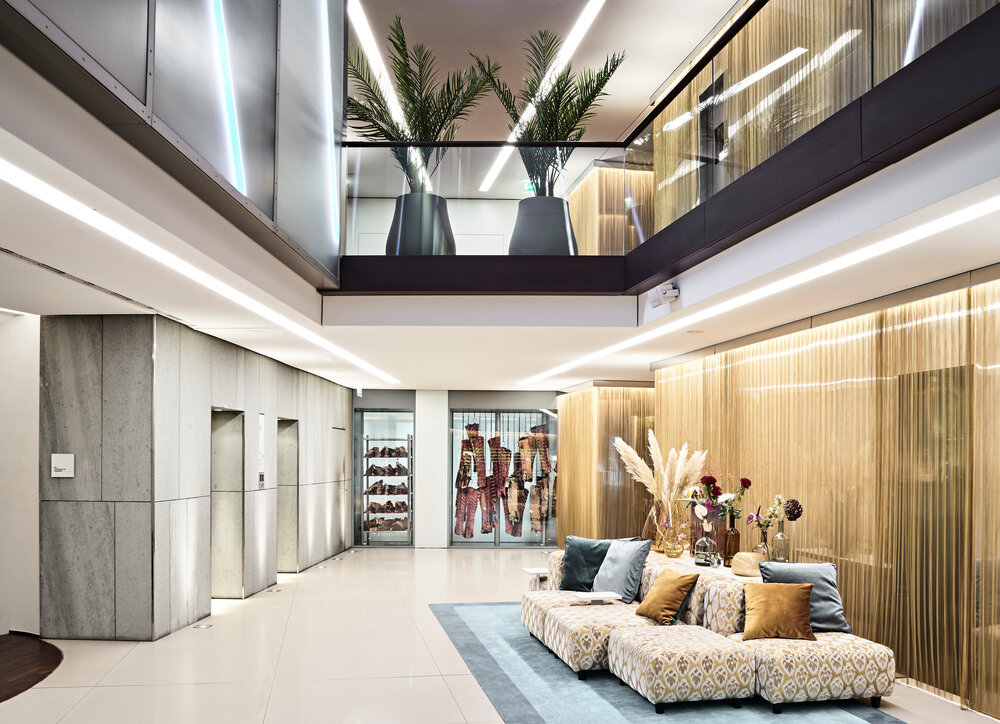
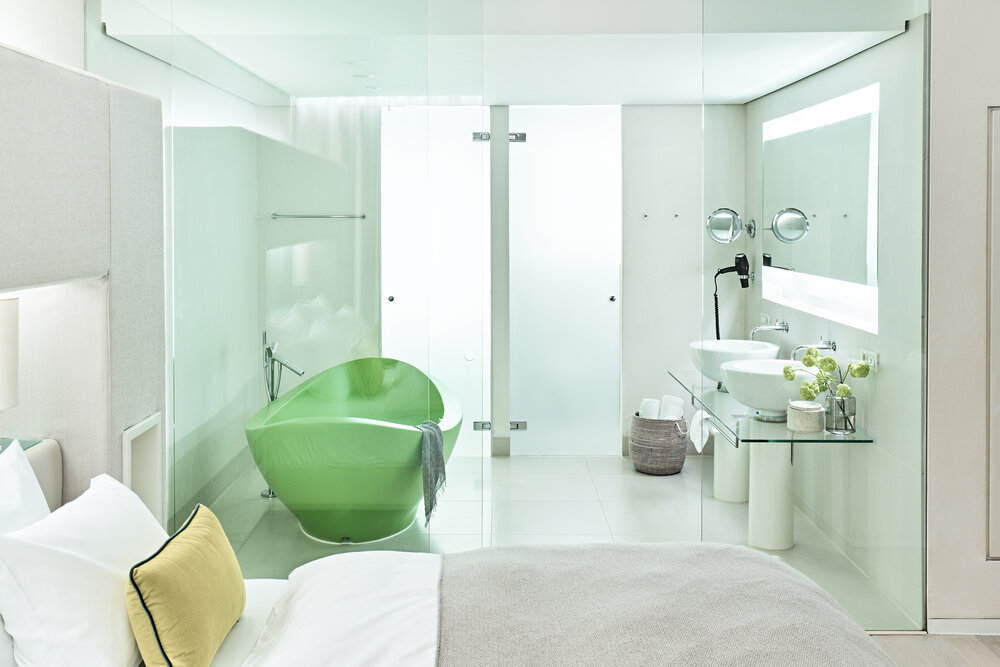
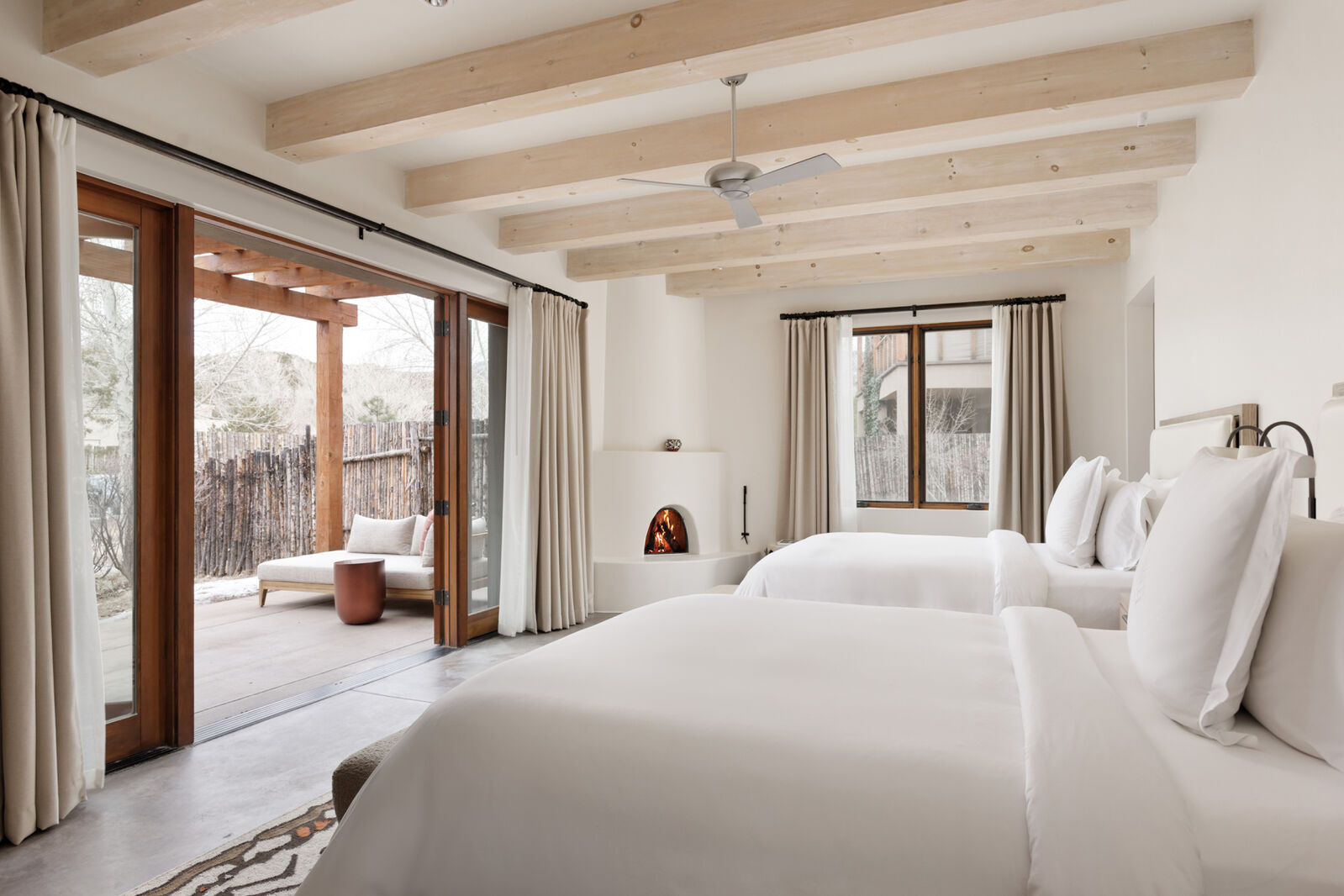
The natural stone and glass façade leads you into this incredible super-tall atrium lobby with ever-changing lighting effects that honestly made me just stop and stare. Milanese interior designer Matteo Thun created these cool, contemporary guest rooms with a splash of color (seriously, check out the tubs!) that perfectly complement the exterior by Hamburg architects Jan Störmer Architekten.
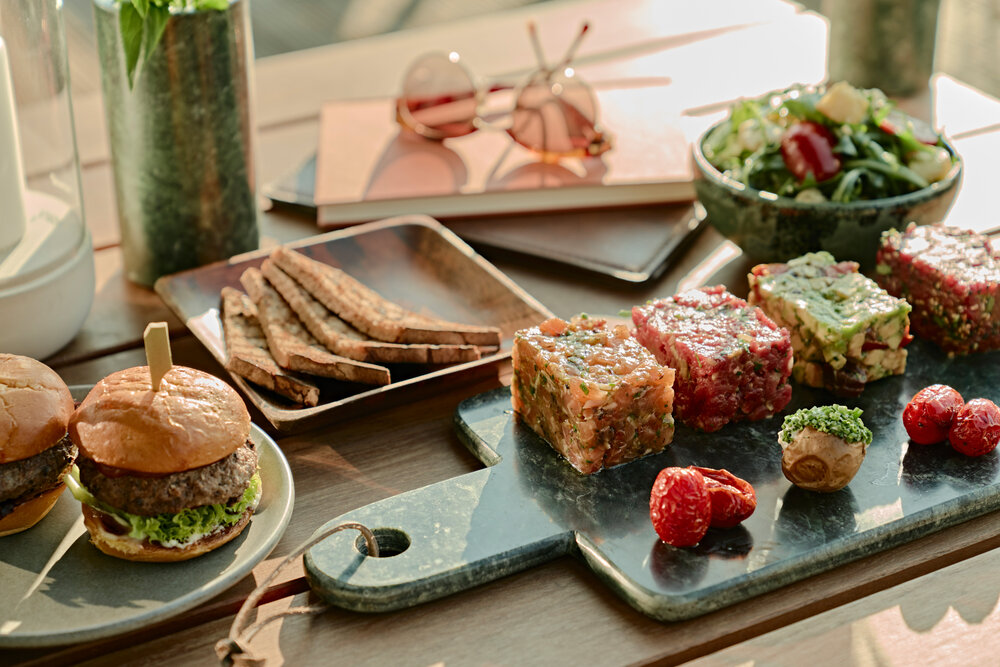
Breakfast buffets give you the heartiest start to the day, while dinner serves up what I'm calling the best steak in Hamburg at the [m] eatery — their in-house dry-aged meats from Argentina, the U.S.A., and Europe are absolutely next-level.
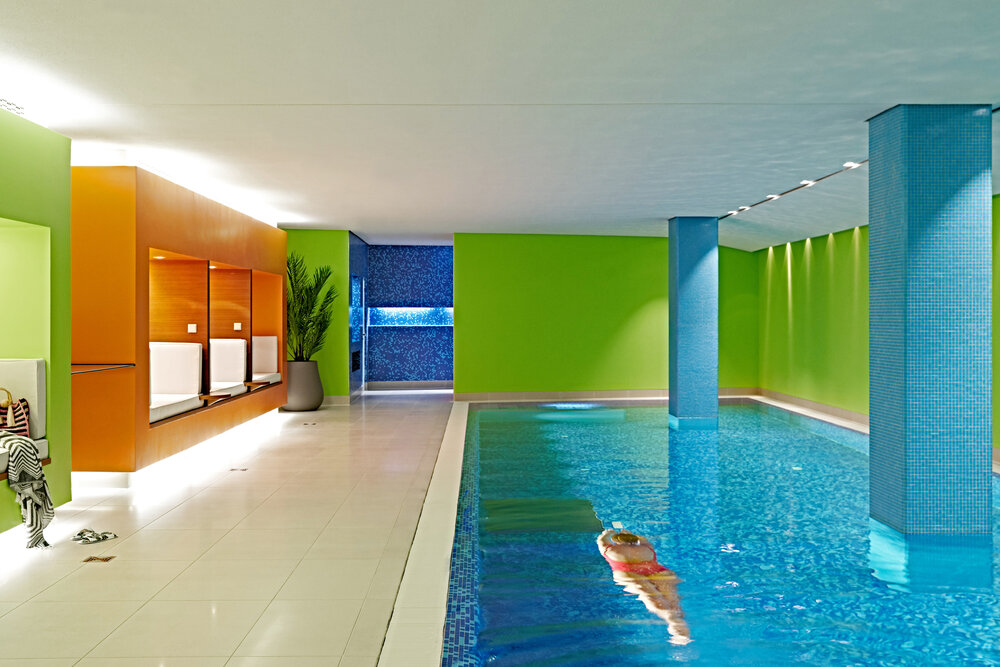
The hotel's spa and indoor pool became my favorite retreat after long days of exploring, and that upper-level outdoor terrace — where Hamburg's rooftops spread in every direction beneath open sky — became my go-to spot for the evening aperitivo ritual. The Botanist Bar didn't disappoint either, obviously.
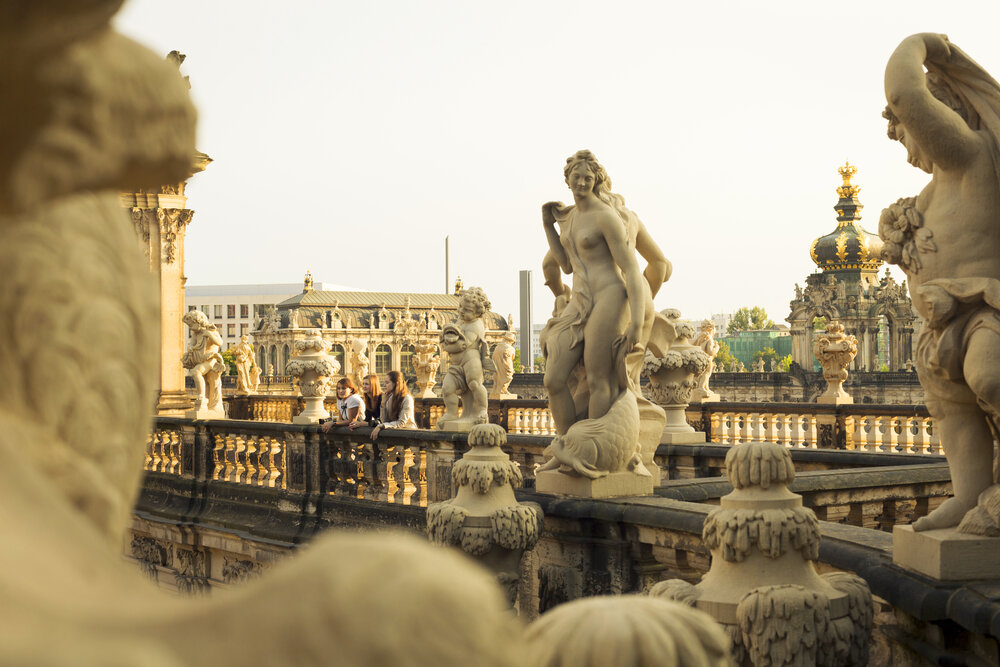
DRESDEN: BAROQUE & BRILLIANT – LA FIRENZE DELL'ELBA / THE FLORENCE OF THE NORTH
And then there's Dresden. If Berlin commands and Hamburg impresses, Dresden just straight-up enchants you. Known as the "Florence on the Elbe," this most Baroque of German cities rises from the riverbanks with golden-spired magnificence that, I'm not gonna lie, looked almost too beautiful to be real on first encounter. Before the catastrophic firebombing of 1945, Dresden was considered one of the most gorgeous cities in Europe — a jewel of Saxon culture, art, and architecture. What the postwar decades tore apart, the years since reunification have devoted to meticulous restoration, and today Dresden stands as one of the great triumphs of heritage preservation anywhere in the world.
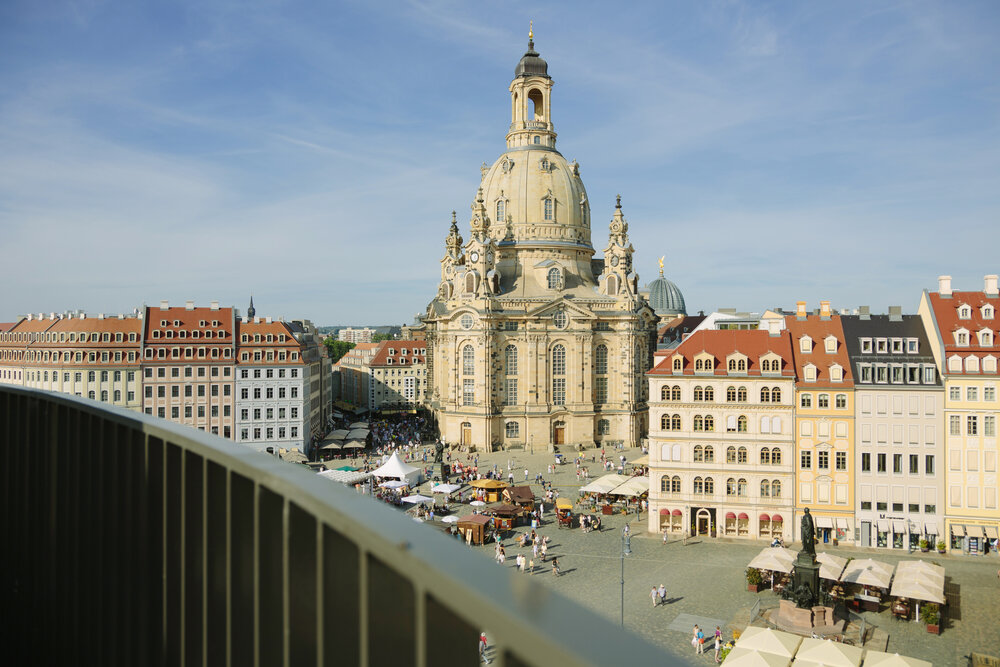
The Zwinger Palace is the city's crown jewel — this exquisite ensemble of Baroque pavilions, galleries, and gardens housing important collections including the Old Masters Picture Gallery with works by Raphael, Rubens, and Vermeer. The Frauenkirche, that magnificent Lutheran church rebuilt from the rubble of 1945 into a global symbol of reconciliation, rises in golden sandstone at the heart of the Neumarkt square, its dome a permanent statement of hope that genuinely gave me chills. The Dresden Royal Palace and the Hofkirche Cathedral complete a historic core so architecturally coherent it literally feels like you're walking through a painting.
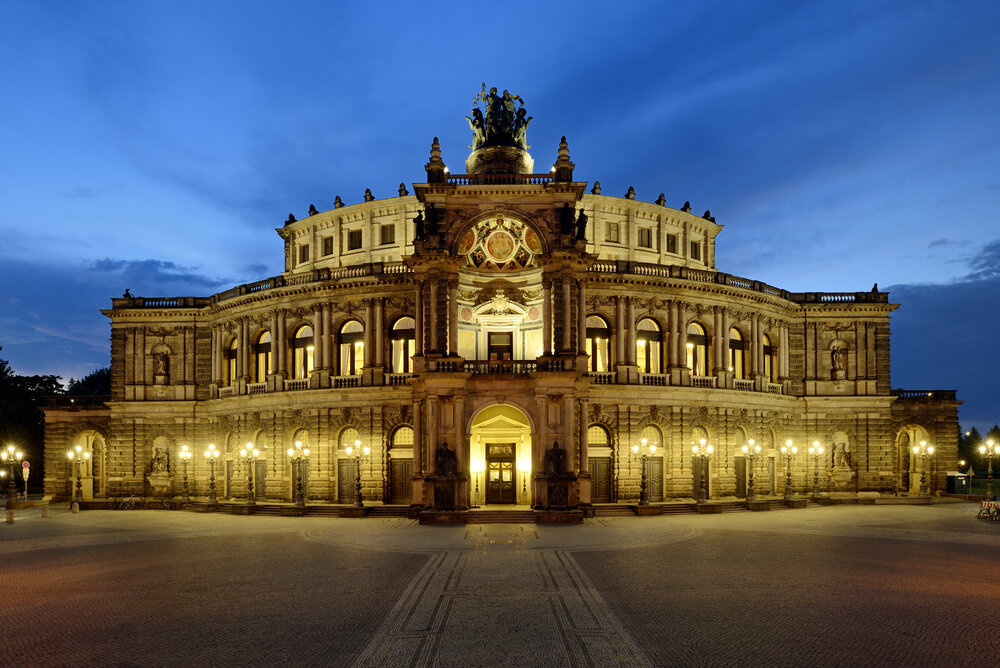
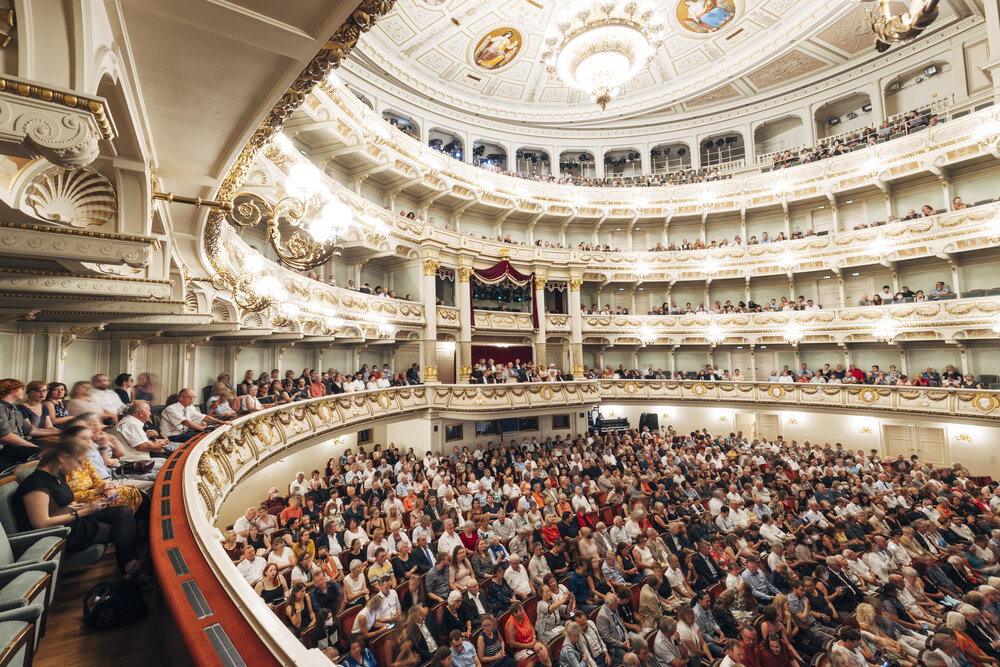
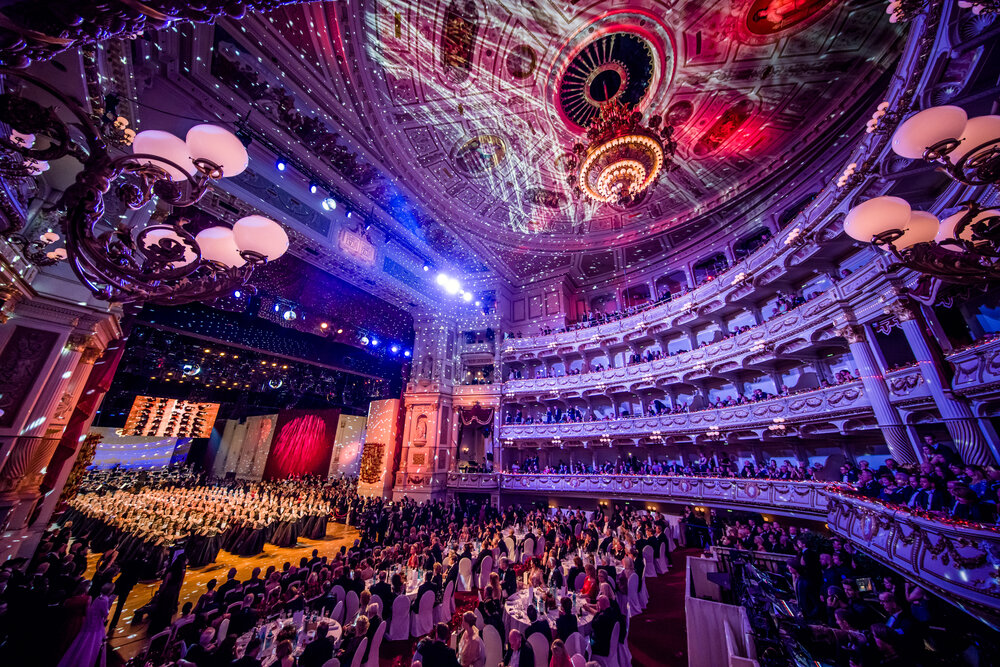
And then there's the Semperoper. You guys. Built in the mid-19th century and reconstructed after wartime destruction, it's among the most beautiful opera houses in the world — a Neoclassical masterpiece where Richard Wagner and Richard Strauss premiered some of their greatest works. I was lucky enough to get a private tour, moving through those gilded corridors and across that storied stage in near-reverential silence, and then I got to see a contemporary ballet performance that was nothing short of breathtaking. Movement, music, and architecture all conspiring to create something utterly transcendent. Just standing before the Semperoper's façade in golden evening light is enough to stir something deep inside you; experiencing it from within, privately, is a gift you simply don't forget.
Dresden's shopping scene is pretty great too — the Prager Straße and the elegant boutiques of the Altstadt offer cultured retail therapy, while the Neustadt district across the river gives you this hipper, more bohemian vibe with independent shops, galleries, and restaurants. And the Elbe meadows stretching along the riverbanks? They invite the kind of slow, dreamy strolling that Dresden's spirit just demands.
The Gewandhaus Hotel: Elegance, Cake, and Creatures Most Unexpected
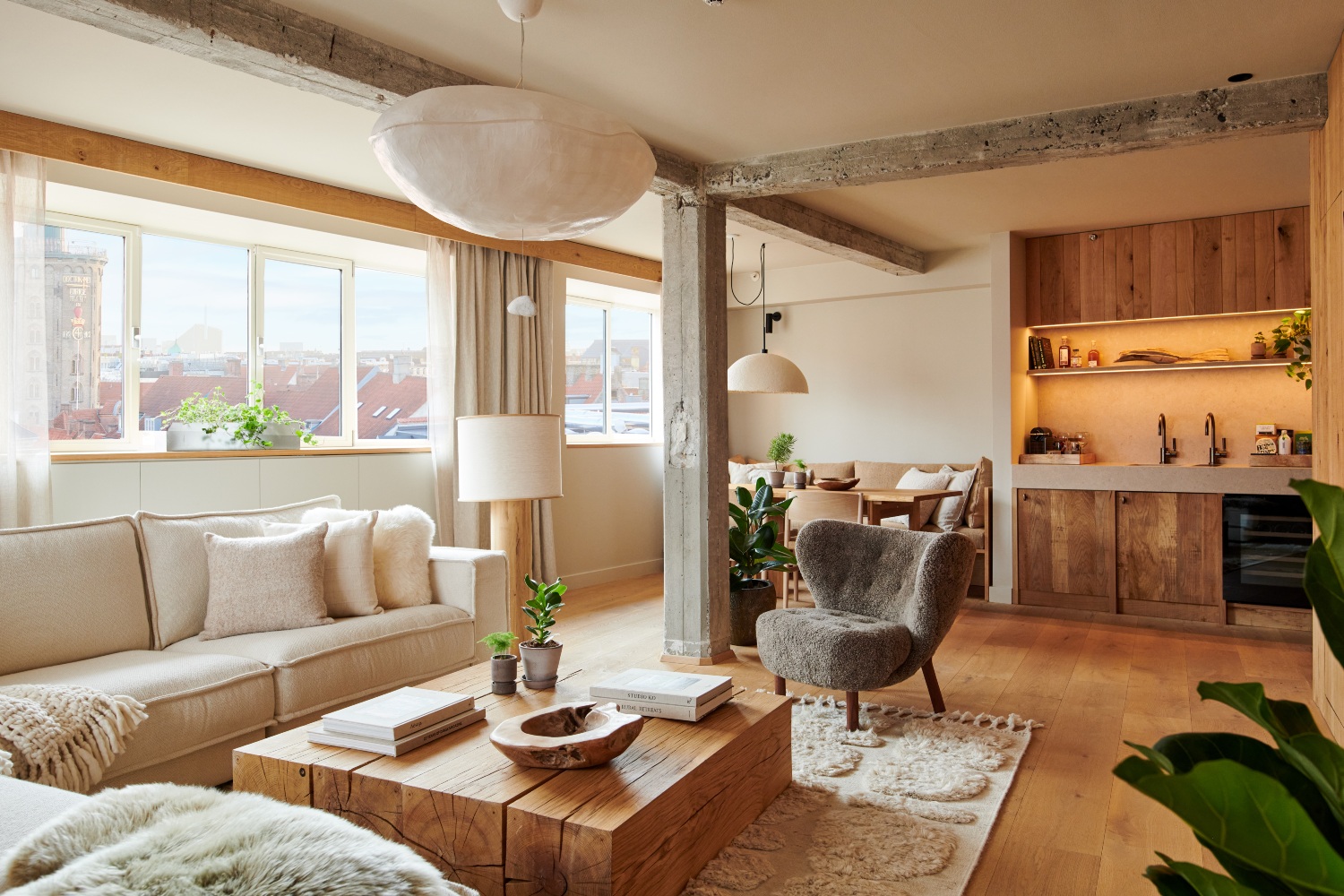
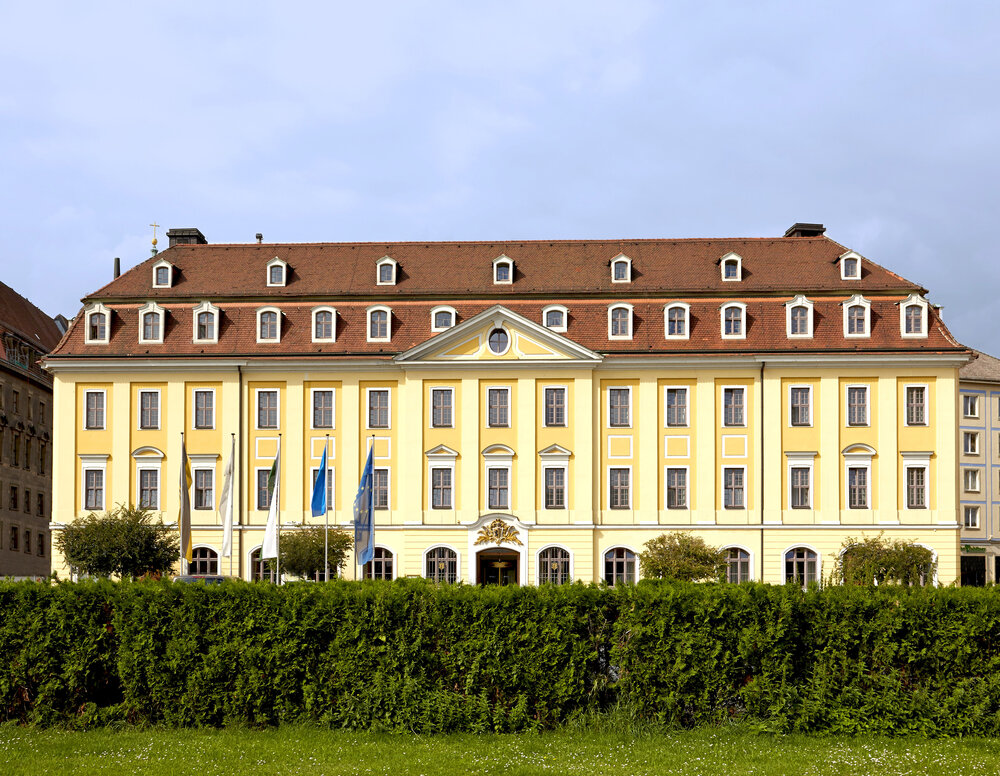
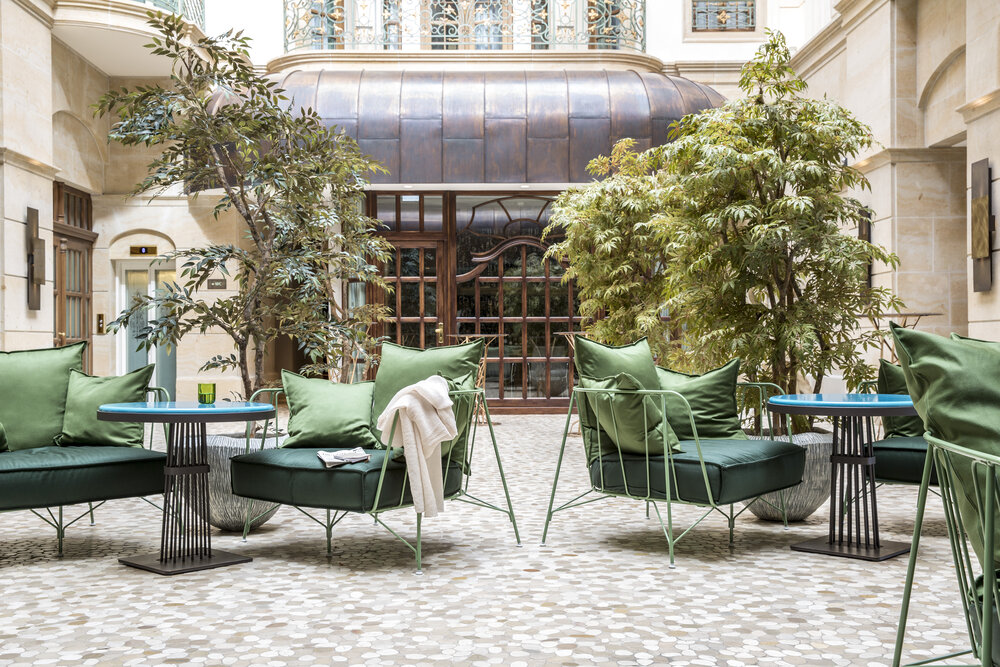
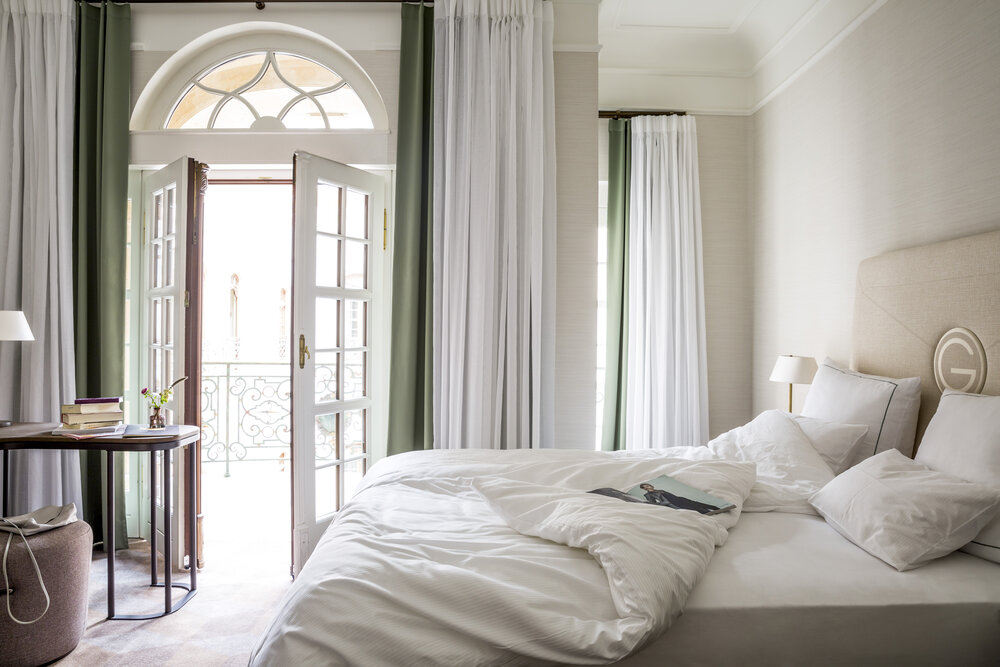
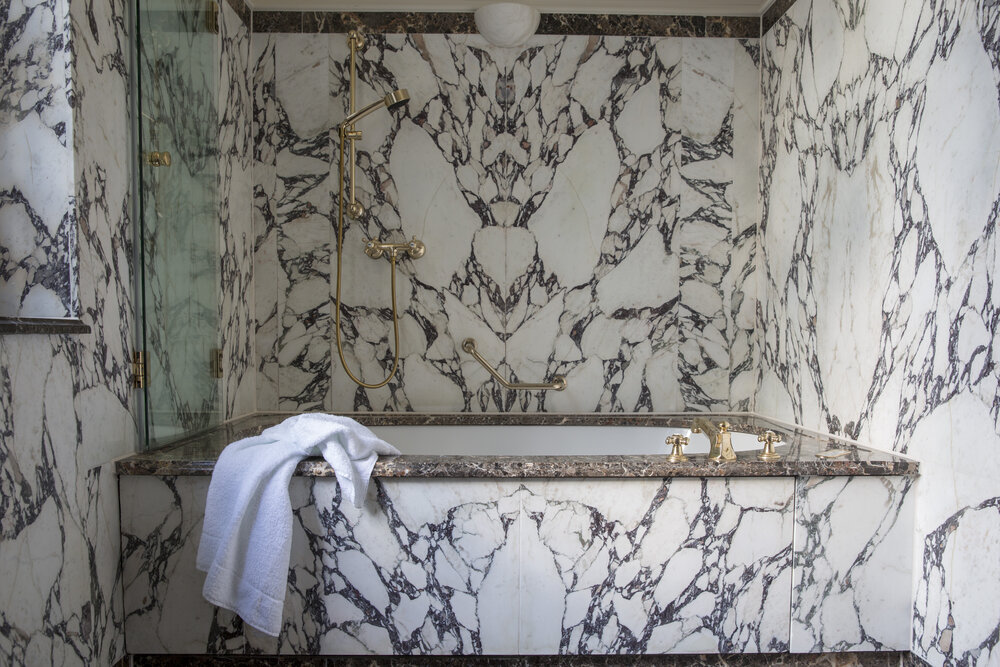
I was lucky enough to stay at the Gewandhaus Hotel Dresden, and its location is honestly unimprovable — steps from the Altstadt's great landmarks, a short stroll from the Semperoper, and perfectly positioned for the city's best shopping streets. The hotel occupies this beautifully restored historic building and carries its heritage with this graceful confidence — public spaces of quiet luxury, rooms of genuine comfort, and service that feels personal rather than performative.
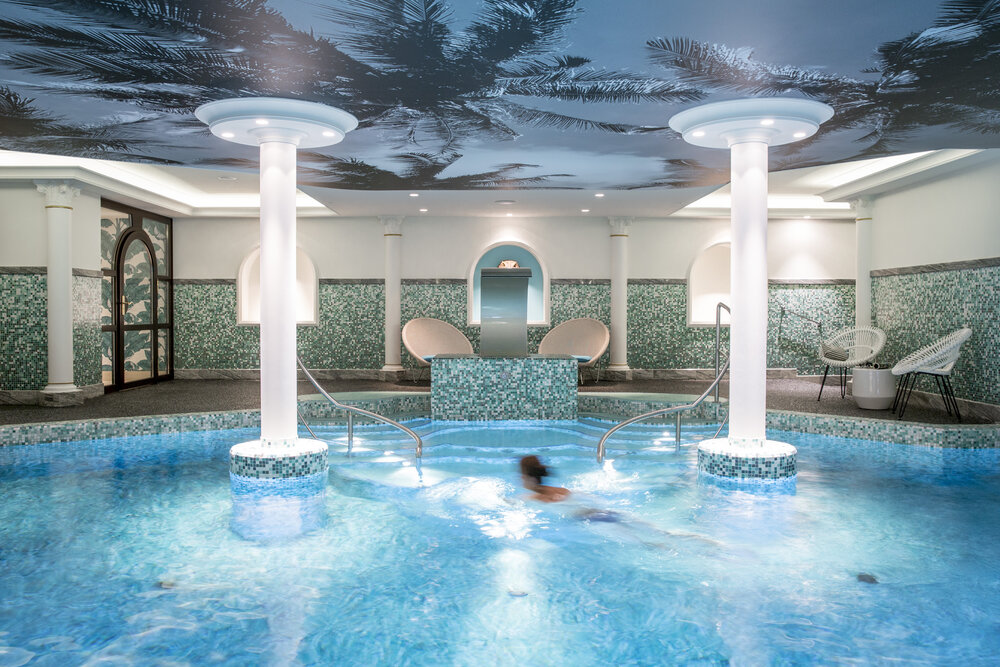
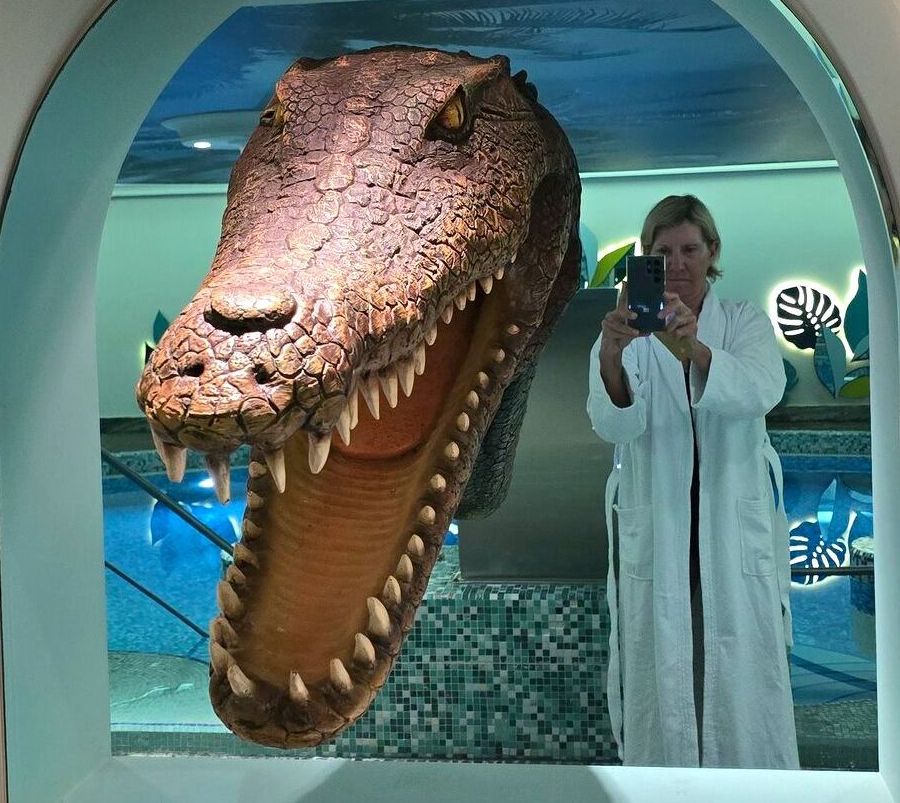
The spa and pool area deserves a shoutout all its own, because it's one of the most delightfully whimsical things I've ever found in a luxury hotel. The indoor pool is presided over by life-sized sculptural zoo animals acting as lifeguards — a hippo and a crocodile among them — their ceramic authority lending the space this playful surrealism that somehow, perfectly, suits Dresden's spirit. You honestly swim with a smile on your face.
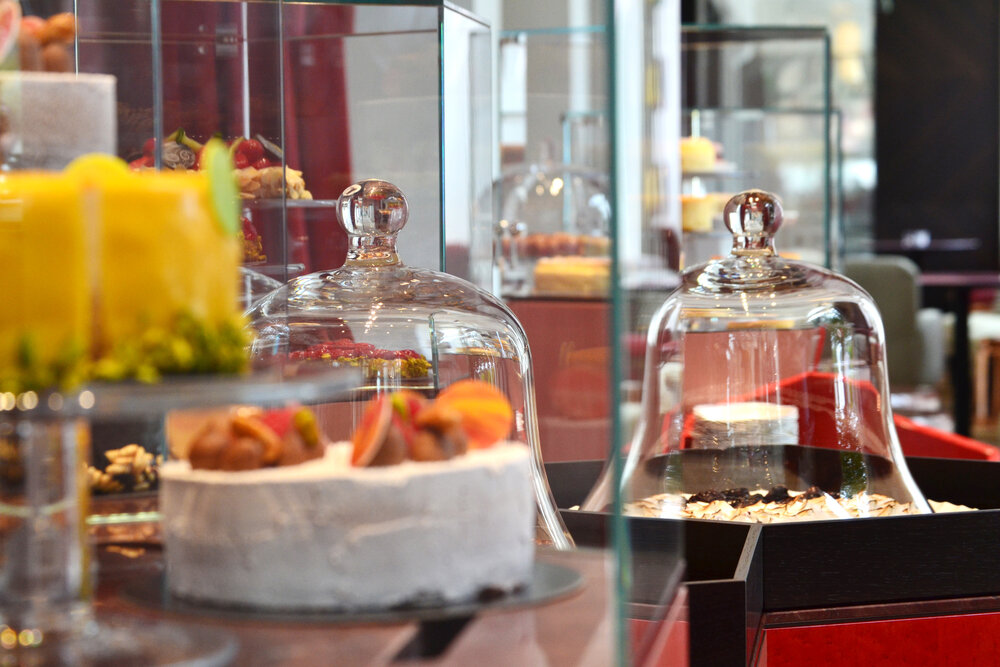
But what I found most delicious — and most Dresden — was the hotel's celebrated cake selection. A rotating cast of extraordinary tortes, slices, and confections that demanded daily investigation (and by "demanded" I mean I enthusiastically complied every single day). Dresden has a deep, serious love affair with the art of the Konditorei, and the Gewandhaus honors that tradition magnificently. You don't just have coffee here — you have an *occasion*. I cannot, in good conscience, recommend this hotel without also telling you to arrive with a sweet tooth and plans to return.
THREE POINTS ON THE MAP — WORLDS APART IN THE SOUL
The train rides between these three cities are honestly a breeze by European standards. A few hours of comfy, scenic rail travel and you've gone from one point of the triangle to the next — luggage rolling smoothly beside you, coffee in hand, the German countryside just unspooling past the window like a movie. By any objective measure, Berlin, Hamburg, and Dresden are neighbors. But by every subjective one? They're worlds apart.
Berlin is electric — a city that never quite sleeps, never quite settles, where history and the future are in this perpetual, exhilarating dance. Hamburg is assured — maritime elegance meets ambitious modernity, where old money meets new architecture and the harbor light turns everything golden. Dresden is transcendent — extraordinary beauty and quiet dignity, a cultural phoenix that rose, with particular magnificence, from genuine ash.
Traveling Germany's great triangle teaches you that a country, like a person, can't be known through a single encounter. You have to circle it, approach from different angles, see it in different lights. And for those of us lucky enough to carry even a thread of German heritage within us, these three cities offer something beyond the pleasures of travel — they offer the ineffable, deeply satisfying feeling of coming, in some small and luminous way, home.